
“The GWRP really helped motivate and move along my grant writing during the semester. Having the dedicated workspace, being part of a cohort of faculty in the program, and receiving feedback from the program directors all contributed to a very successful experience.”
Program Features & Benefits

Dedicated Workspace
Work within quiet assigned offices to support focused writing and research. Receive full access to the center's meeting rooms, printing stations, and break areas.

Supportive Community

Collaborative Learning

Research Funding
Receive up to $1,000 to support pilot data, travel, or other related expenses, which may be used during your residency or as a part of your grant application.
"The GWRP is a thoughtfully designed initiative that supports all UI faculty in advancing their research ideas through grant writing. The program’s staff members are exceptional. They are always available, supportive, and highly knowledgeable in a wide range of social science research areas. Not only did I improve my writing, but I also received critical feedback and learned about valuable resources that strengthened my grant proposal. Additionally, engaging with colleagues from various social science disciplines broadened my perspective. I cannot recommend this program highly enough."
How to Apply
Dates & Deadlines
Applications open: Early to mid-October
Application deadline: Monday, December 1, 2025. Applicants will be notified of decision within two weeks from the application deadline.
Program dates: The Grant Writing Residency Program aligns with the Spring Semester Calendar
Eligibility
Applicants must be affiliated with the University of Iowa.
Faculty members across all ranks and tracks, as well as scientific staff, are eligible. Priority will go to applicants, especially researcher affiliates, conducting social science research and proposing to use CSSI research services.
Instructions
When applications are open, applicants must submit the following information through our application portal below.
Applicant Information
- Name
- Project Title
- Project Abstract (50-100 words). Provide a succinct overview of the project. Assume reviewers do not have technical knowledge in a specific field.
- Funding Source, Deadline, and Award Amount. Describe the funding source, deadline, and award amount for the proposal.
Project Information
If preferred, the project information can be submitted as an attached pdf in the application portal.
- Project Overview (300-500 words). Briefly introduce the project, its significance and potential impact, and its relevance to CSSI’s mission.. Clearly state the objectives of the research.
- Project Methodology (300-500 words). Describe the methods that will be used to achieve the project’s objectives. This includes research design, data collection methods, and analysis techniques.
- Project Plan and Timeline (300-500 words). Describe the current status of the grant proposal, and summarize your goals and timeline for completing the proposal.
Program Expectations
- Research Funds. Describe how you currently plan to use the research-related funds.
- Residency Schedule. Participants are expected to work in residence a minimum of 10 hours per week at CSSI. Please describe the day(s) and time(s) each week you plan to work in residence if selected for the program.
- Reporting Expectations. Participants are asked to acknowledge CSSI in all publications and presentations supported by participation in this program, and to notify cssi-office@uiowa.edu of all publications, presentations, and grants related to program work.
Additional Attachments
- Curriculum vitae or biographical sketch
- [Optional] Project Information
- [Optional] Reference list
APPLICATIONS ARE CURRENTLY CLOSED
Spring 2026 GWRP Cohort

Katherine Britt, PhD
Title: "Rural Community Engagement for Education & Risk Reduction Program"
Abstract: Projected to more than double by 2060, Alzheimer’s disease and related dementias (AD/ADRD) disproportionately affect rural residents who are at greater risk of AD/ADRD and have a faster decline compared to their urban counterparts. Up to 45% of dementia risk factors are modifiable lifestyle factors, making them a target for primary prevention strategies. Evidence-based recommendations in neurovascular risk management, physical activity, sleep, nutrition, social engagement, and cognitive stimulation guide dementia risk reduction (DRR) initiatives for primary care providers. However, assisting rural communities poses challenges due to limited resources, accessibility, and a lack of structured action plans tailored to their needs in primary care settings. Addressing this gap is crucial to promote accessibility and sustainability to reduce disparities in dementia care. The objective is to develop an evidence-based community outreach DRR primary care program for rural communities and leverage public health partnerships to implement it.
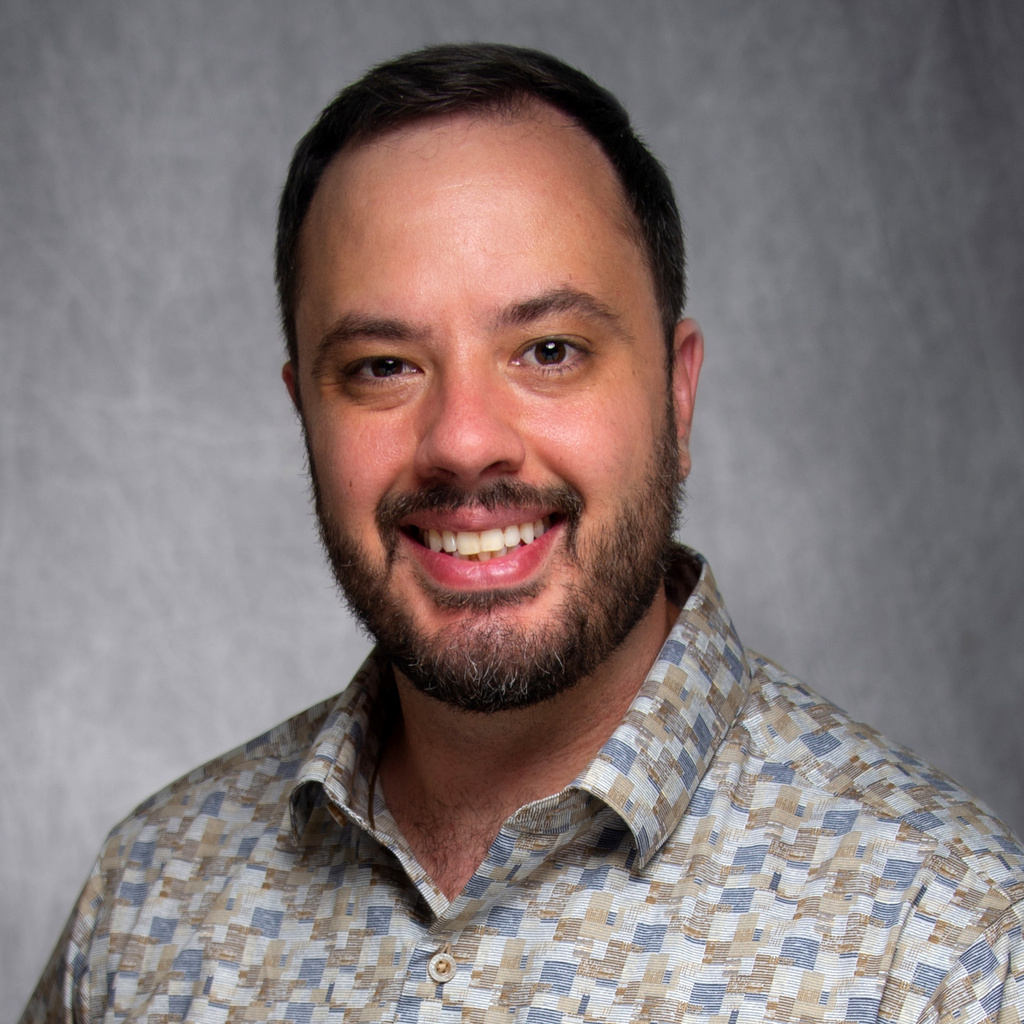
Philip Combiths, PhD
Title: "Beyond the Norm: A Contextualized Approach to Multilingual Preschool Assessment"
Abstract: This project develops and evaluates the Language in Context Assessment Toolkit (LCAT), a practical, community informed approach to assessing multilingual preschoolers’ language abilities across real home and school environments. Current school-readiness assessments mischaracterize multilingual children’s unique language trajectories, leading to pervasive misidentification and subsequent misallocation of supports. LCAT addresses this gap by refining and validating measures of language and pre-literacy skills using multiple data sources and locally generated norms. The resulting toolkit will equip pre-K programs with accurate, context-sensitive evaluations that capture children’s full linguistic abilities and support more effective allocation of general and special education services.
Past GWRP Cohorts
Spring 2025
Cara Hamann, PhD
"Bike Club Toolkit Implementation to Increase Adolescent Bicycling Safety"
Ethan Kutlu, PhD
"Math Cognition in Developing Bilingual Children"
Aislinn Conrad, PhD
"Advancing AI-Enabled Detection and Classification of Child Abuse"
Iulian Vamanu, PhD
"Libraries as Sites of Resilience: Training Librarians to Prepare for Climate Extremes, Health Emergencies, Economic Recessions"
Spring 2024
Isaac Petersen, PhD
"Precision Phenotyping of the Externalizing Spectrum on a Developmentally Informed, Common Metric Across Infancy to Adulthood"
Bingbing Zhang, PhD
"Communicating Climate Injustice: The Effects of Solution Journalism on Climate Change Public Engagement Among Marginalized Communities and the General Public."
