Two University of Iowa faculty members have been awarded proposal-development support through the Center for Social Science Innovation’s (CSSI) Grant Writing Residency Program (GWRP), a competitive initiative designed to help advance high-quality, externally funded research in the social sciences.
The program provides structured space and time, assistance with the submission process, and expert feedback to strengthen submissions for external funding. Projects in this year’s cohort are focused on community informed approaches to rural health and multilingual early childhood assessment.
“We are very excited to host Katherine and Philip in this year’s cohort and look forward to helping them develop and submit their grant proposals.” said Mark Berg, director of CSSI.
2026 Grant Writing Residency Participants and Project Abstracts

Katherine Britt, assistant professor in the College of Nursing, will develop the proposal “Rural Community Engagement for Education & Risk Reduction Program” to be submitted to the National Institute of Aging:
“Projected to more than double by 2060, Alzheimer’s disease and related dementias (AD/ADRD) disproportionately affect rural residents who are at greater risk of AD/ADRD and have a faster decline compared to their urban counterparts. Up to 45% of dementia risk factors are modifiable lifestyle factors, making them a target for primary prevention strategies. Evidence-based recommendations in neurovascular risk management, physical activity, sleep, nutrition, social engagement, and cognitive stimulation guide dementia risk reduction (DRR) initiatives for primary care providers. However, assisting rural communities poses challenges due to limited resources, accessibility, and a lack of structured action plans tailored to their needs in primary care settings. Addressing this gap is crucial to promote accessibility and sustainability to reduce disparities in dementia care. The objective is to develop an evidence-based community outreach DRR primary care program for rural communities and leverage public health partnerships to implement it.”
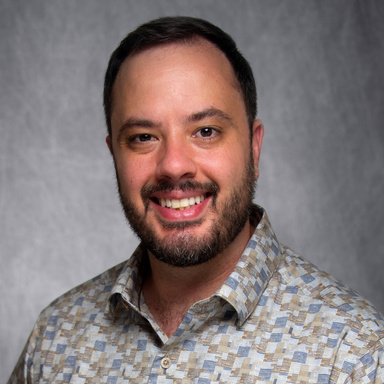
Philip Combiths, assistant professor in the Department of Communication Sciences and Disorders, will develop the proposal “Beyond the Norm: A Contextualized Approach to Multilingual Preschool Assessment” to be submitted to the National Institute on Deafness and Communication Disorders:
“This project develops and evaluates the Language in Context Assessment Toolkit (LCAT), a practical, community informed approach to assessing multilingual preschoolers’ language abilities across real home and school environments. Current school-readiness assessments mischaracterize multilingual children’s unique language trajectories, leading to pervasive misidentification and subsequent misallocation of supports. LCAT addresses this gap by refining and validating measures of language and pre-literacy skills using multiple data sources and locally generated norms. The resulting toolkit will equip pre-K programs with accurate, context-sensitive evaluations that capture children’s full linguistic abilities and support more effective allocation of general and special education services.”
About the Grant Writing Residency Program
CSSI’s Grant Writing Residency Program is a spring program that supports faculty and research staff with projects positioned for external funding by offering:
- Dedicated proposal development time
- One-on-one consultations with research development experts
- Structured peer feedback and accountability
- Strategic guidance on grantsmanship and submission planning
Participants are expected to submit proposals to federal agencies or foundations following the residency.
For more information, visit the Grant Writing Residency Program webpage.